Days Measured in Appointments: Keeping a Marriage Steady Through Chronic Illness

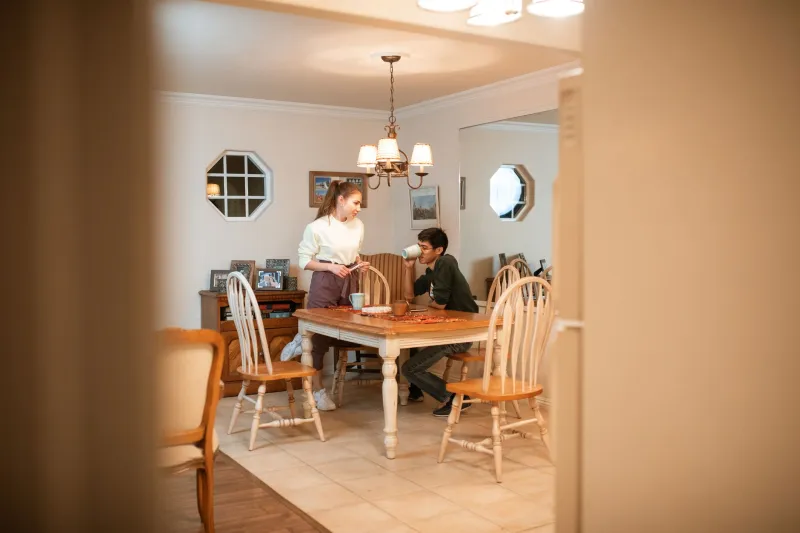
Photo: mature couple talking together at home chronic illness support UK, via i.pinimg.com
A long-term diagnosis enters a marriage quietly at first, often through a GP referral or a letter with a hospital logo. Then it begins to take up space. Appointments multiply, energy becomes a currency, and conversations that once concerned weekends or work begin to circle around symptoms and medication. The illness is real and requires attention, but it need not become the only story a couple shares.
Naming the new presence without letting it take over
It can help to speak about illness as something the couple faces together rather than something one partner has become. Phrases such as 'the fatigue is bad today' or 'the clinic has moved the appointment' keep the condition in view without turning the person into the condition. This distinction matters in ordinary conversation. A spouse is not a diagnosis, and a marriage is not a treatment plan, even when care occupies a great deal of time.
Couples often find it useful to agree on language early. One partner may prefer not to be asked 'how are you feeling?' at breakfast; another may want a simple daily signal. A short conversation about preferred words, timing and privacy can prevent small misunderstandings from accumulating. It also gives the well partner permission to say when they are tired, worried or unsure without feeling that they are competing for attention.
Protecting the parts of married life that are not clinical
When appointments fill the diary, the marriage can begin to feel like an extension of the waiting room. Protect at least some time that has no medical purpose. This need not be elaborate. A walk, a shared meal, a film, or a regular hour in the week when health is not discussed can keep the relationship from being wholly defined by illness.
A useful habit is to separate the practical check-in from the relational one. The practical conversation covers appointments, prescriptions, work adjustments and who is collecting what. The relational conversation asks different questions: what has felt heavy this week, what has felt good, and what would help us feel more like us. Keeping these conversations apart reduces the risk that every exchange becomes a review of symptoms or a logistics meeting.
Redistributing tasks without turning love into a ledger
Chronic illness often changes what each partner can do. Household tasks, childcare, paid work and family contact may need to be rearranged, sometimes repeatedly. Fairness is not the same as a strict fifty-fifty split. A more useful question is whether the current arrangement is sustainable and whether both partners have some say in it.
Try a monthly review rather than waiting for resentment to build. Write down the main tasks, including the invisible ones such as remembering appointments, ordering prescriptions and keeping family informed. Ask which tasks feel manageable, which feel draining, and which could be simplified, postponed or handed to someone else. This is not a performance appraisal. It is a way of recognising that the load has changed and that both people are entitled to a voice in how it is carried.
It is also important to acknowledge the well partner's load. Caring, coordinating and compensating can be exhausting, and exhaustion does not imply a lack of love. A marriage can hold both concern for the ill partner and honest fatigue from the well partner, provided those truths are spoken kindly.
Asking for outside help without guilt
Many couples wait until breaking point before seeking support. In the UK, help can begin closer than expected. A GP surgery can discuss fatigue, pain and emotional strain, and may refer to specialist services or social prescribing. An occupational therapist can suggest practical adjustments at home. The local authority can carry out a carer's assessment, and charities specific to the condition often provide information, helplines and peer support.
Asking for help is not a failure of marital duty. It is a way of protecting the marriage from becoming the only source of support. A useful sentence is: 'We are managing, but we would manage better with some help.' Another is: 'I need to talk to someone who is not my spouse about this.' Counselling, whether through NHS talking therapies or a private service, can offer a neutral space for both partners to speak without fearing they are burdening the other.
When the carer is also the spouse
The partner who provides care needs a life beyond that role. Time away from the house, contact with friends, sleep and a degree of privacy are not luxuries. They are maintenance. A carer who is never off duty will eventually have less to give, and the marriage will feel the cost.
Couples can agree on small, realistic breaks. Perhaps a family member covers one evening a fortnight, or a friend accompanies the ill partner to a routine appointment. Respite does not have to be dramatic to be effective. What matters is that the well partner is not expected to be endlessly available simply because they are married.
Keeping the couple story visible
Illness can narrow the future. Plans are postponed, holidays are reconsidered, and intimacy may change. These losses deserve acknowledgement. They should not be brushed aside with forced optimism, nor allowed to close every conversation about what comes next.
Talk about touch, closeness and desire in whatever terms feel comfortable. Chronic illness may alter sexual intimacy, but affection, companionship and physical reassurance can remain. If conversation feels difficult, a counsellor can help. The aim is not to pretend that nothing has changed, but to make room for the relationship to adapt without disappearing.
A compact for difficult days
It helps to agree in advance how the couple will handle a bad day. One partner might say, 'This is a low-energy day, not a low-love day.' Another might ask for twenty minutes of quiet and then a cup of tea. A shared phrase can reduce the pressure to explain everything from scratch.
Couples might also agree on a weekly question: 'What is one thing we can do this week that is for us, not for the illness?' The answer may be very small. Its value lies in the habit of returning to the marriage as a relationship in its own right. A long-term condition may be an uninvited companion, but it does not have to be the only voice in the room.